
What are the degradation pathways of 4 - aminobiphenyl in the environment?
Leave a message

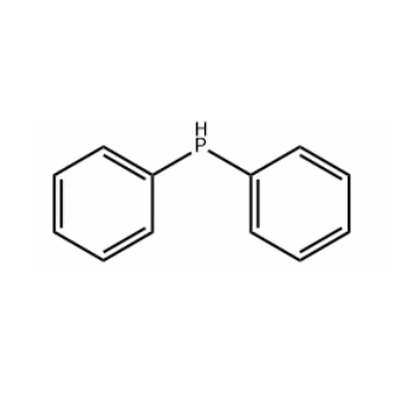
4-aminobiphenyl (4-ABP) is an aromatic amine that has been widely used in various industrial processes, including the production of dyes, rubber chemicals, and pesticides. Due to its extensive use and potential environmental release, understanding the degradation pathways of 4-ABP in the environment is crucial for assessing its environmental fate and potential risks to human health. As a supplier of 4-ABP, I am deeply concerned about its environmental impact and committed to promoting a better understanding of its degradation mechanisms.
Environmental Sources and Distribution of 4-aminobiphenyl
4-ABP can enter the environment through various sources, such as industrial emissions, wastewater discharge, and the disposal of products containing 4-ABP. It has been detected in air, water, soil, and sediment samples, indicating its widespread distribution in the environment. Once released, 4-ABP can persist for a long time due to its relatively low biodegradability and high solubility in water.
Degradation Pathways of 4-aminobiphenyl in the Environment
Aerobic Degradation
In aerobic environments, microorganisms play a crucial role in the degradation of 4-ABP. Bacteria and fungi are the main groups of microorganisms involved in the aerobic degradation of 4-ABP. These microorganisms can use 4-ABP as a source of carbon and energy through a series of enzymatic reactions.
One of the common initial steps in the aerobic degradation of 4-ABP is the oxidation of the amino group. This can be catalyzed by monooxygenases or dioxygenases, which introduce oxygen atoms into the molecule. For example, some bacteria can convert 4-ABP to 4-hydroxyaminobiphenyl through the action of monooxygenases. The 4-hydroxyaminobiphenyl can then be further oxidized to 4-nitrosobiphenyl and 4-nitrobiphenyl.


Another important pathway in the aerobic degradation of 4-ABP is the cleavage of the biphenyl ring. This can be achieved by dioxygenases, which introduce two oxygen atoms into the ring, leading to the formation of catechol derivatives. These catechol derivatives can then be further degraded through the ortho- or meta-cleavage pathways, ultimately leading to the formation of carbon dioxide and water.
Anaerobic Degradation
In anaerobic environments, such as sediment and groundwater, the degradation of 4-ABP is mainly carried out by anaerobic microorganisms. Anaerobic degradation of 4-ABP is generally slower than aerobic degradation due to the limited availability of electron acceptors.
One of the possible anaerobic degradation pathways of 4-ABP involves the reduction of the amino group. Anaerobic bacteria can use 4-ABP as an electron acceptor and reduce it to biphenyl through a series of reductive reactions. Biphenyl can then be further degraded through anaerobic ring cleavage pathways.
Photodegradation
Photodegradation is another important process for the degradation of 4-ABP in the environment. When exposed to sunlight, 4-ABP can absorb photons and undergo photochemical reactions. The photodegradation of 4-ABP mainly occurs through the excitation of the molecule to a higher energy state, followed by the cleavage of chemical bonds and the formation of reactive intermediates.
The photodegradation products of 4-ABP can include various aromatic compounds, such as phenols and quinones. These products can be further degraded through subsequent chemical and biological processes. The rate of photodegradation of 4-ABP depends on several factors, such as the intensity of sunlight, the wavelength of light, and the presence of other substances in the environment.
Factors Affecting the Degradation of 4-aminobiphenyl
The degradation of 4-ABP in the environment is influenced by several factors, including the availability of oxygen, the presence of microorganisms, the pH and temperature of the environment, and the presence of other pollutants.
- Oxygen Availability: As mentioned above, aerobic and anaerobic degradation pathways of 4-ABP are significantly different. In aerobic environments, the presence of oxygen promotes the growth and activity of aerobic microorganisms, which can accelerate the degradation of 4-ABP. In contrast, in anaerobic environments, the lack of oxygen limits the activity of aerobic microorganisms and favors the growth of anaerobic microorganisms, leading to a slower degradation rate.
- Microbial Activity: The presence and activity of microorganisms are crucial for the degradation of 4-ABP. Different microorganisms have different abilities to degrade 4-ABP, and the degradation rate can vary depending on the microbial community composition. Environmental factors such as temperature, pH, and nutrient availability can also affect the growth and activity of microorganisms.
- pH and Temperature: The pH and temperature of the environment can have a significant impact on the degradation of 4-ABP. Most microorganisms have an optimal pH and temperature range for growth and activity. For example, the aerobic degradation of 4-ABP by bacteria is usually more efficient at neutral to slightly alkaline pH and moderate temperatures (around 25 - 30°C).
- Presence of Other Pollutants: The presence of other pollutants in the environment can also affect the degradation of 4-ABP. Some pollutants can inhibit the growth and activity of microorganisms, while others can act as co-substrates or electron donors, promoting the degradation of 4-ABP.
Implications for Environmental Management
Understanding the degradation pathways of 4-ABP in the environment is essential for developing effective environmental management strategies. By promoting the natural degradation processes of 4-ABP, we can reduce its environmental persistence and potential risks to human health.
- Bioremediation: Bioremediation is a promising approach for the removal of 4-ABP from contaminated environments. By introducing specific microorganisms or enhancing the activity of indigenous microorganisms, we can accelerate the degradation of 4-ABP. For example, bioaugmentation, which involves the addition of exogenous microorganisms with high degradation capabilities, can be used to enhance the bioremediation of 4-ABP-contaminated soil and water.
- Photocatalytic Degradation: Photocatalytic degradation is another potential method for the removal of 4-ABP from the environment. By using photocatalysts, such as titanium dioxide, we can enhance the photodegradation rate of 4-ABP under sunlight. This method has the advantages of being environmentally friendly and cost-effective.
Related Products and Their Significance
In addition to 4-ABP, our company also supplies a range of related products, such as Fmoc-Leu-OH (CAS 35661-60-0) - N-Fmoc-L-Leucine, Fmoc-His(Trt)-OH
CAS 109425-51-6, and Pal-Glu(OSu)-OH CAS 294855-91-7. These products are widely used in the pharmaceutical industry as intermediates for the synthesis of various drugs.
Contact for Procurement and Discussion
If you are interested in our 4-ABP products or other related products, please feel free to contact us for procurement and discussion. We are committed to providing high-quality products and excellent customer service. Our team of experts is always ready to answer your questions and provide you with the best solutions.
References
- Alexander, M. (1999). Biodegradation and Bioremediation. Academic Press.
- Spain, J. C. (1995). Microbial degradation of aromatic hydrocarbons. In D. T. Gibson (Ed.), Microbial Degradation of Organic Compounds (pp. 37 - 71). Marcel Dekker.
- Zehnder, A. J. B. (Ed.). (1988). Biology of Anaerobic Microorganisms. John Wiley & Sons.